
Modern Branding’s Photogenic Core
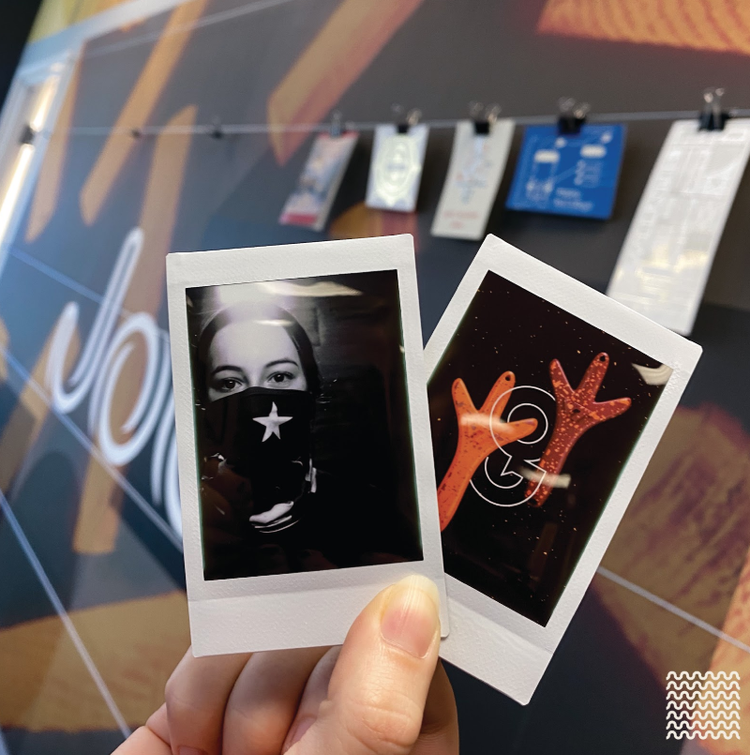
A picture is worth a thousand words. Even though we’ve all heard the saying countless times, very few of us know that this proverb was first coined by Fred R. Barnard, a writer who advocated for the use of images in streetcar advertisements during the 1920’s. Though similar phrases have been noted throughout history, as far back as Leonardo da Vinci, the most famous wording was coined by a writer who, one hundred years ago, realized that photos were the future of marketing.
Photography is integral to marketing. Humanity as a whole is impressionistic and wired to notice, remember, and respond emotionally to visuals. Nearly two-thirds of the U.S. population are visual learners and thus more likely to favorably remember an ad that highlights photography over one that emphasizes text. Consumers crave color, emotion, and rapid information. What better way to deliver your message than with a photo? The statistics prove it:
Articles with relevant images average 94% more views than those without a photo.
60% of consumers prefer contacting a business whose listing includes an image.
Nearly 70% of e-commerce shoppers say that product image is very important when making purchasing decisions.
When asked why photography is an essential aspect of marketing, a Photographer and Marketing Assistant at Joba explained:
“Photography [to me] is inherently storytelling captured in arguably the most consumable form of media in the 21st century. Creating appealing photographs [is the difference] between a product that resonates with humans versus something that consumers can immediately see through.”
How should you create appealing photos that define your brand, and why is brand photography so effective?
Defining Brand Photography
Images communicate more than words ever could. The effectiveness of imagery in expressing the nature of your business is the difference between consumers working with you, or moving on. An image on its own has the ability to accomplish great things: capturing attention, tapping into emotion, inspiring action, and ultimately increasing engagement and sales.
One of the tricky aspects of imagery is that your audience will associate your brand with the photos you use. Use second-rate, over-circulated images and you will be viewed as second-rate. What is it about brand photography that gives you the voice your business needs to thrive and avoid the problems of association?
Brand photography is an array of professional images that fit your visual identity through tones, props, people, and more. By representing your business visually, this specialized type of photography includes photos of you, your team, your process, your space...all ways to create an even, coherent brand that every member of your audience will recognize as YOU.
Consistent, well-crafted imagery exemplifies you and your brand as dependable, unique, and exceptional. The leaders in business possess personally-curated collections of brand images that are regularly updated. This intrigues your own brand consumers and generates an edge that attracts and retains the public through all your channels. The brilliant visual elements of brand photography is an element of branding, without which, no business in this decade can thrive.
Brand Photography Is a Necessity
We trust photos and are influenced by them in ways we can’t explain. Lasting impressions are formed in about 50 milliseconds, so all the content you share must wow the consumer, and do so quickly.
Brand photography allows you to present yourself (and your business) in a simple and effectual way, both to capture your audience and to enable them to visualize how they could use your brand. When your unique story is presented in a captivating way, potential clients become convinced that your brand (and thus your product/service) is high-quality, consistent, necessary, etc. This naturally leads to increased engagement:
65% of marketing executives say that photos, videos, illustrations, and infographics are key to communication.
87% of overall Facebook engagement is earned by the posts with visuals.
51% of B2B marketers prioritize visual assets in content strategy.
Consistency is key to successful marketing, and brand photography increases that coherence. Brands that are consistently presented are three to four times more likely to experience brand visibility. Customers expect stability and uniformity across all your channels and every one of their devices. Brand photography accomplishes this goal with tailored, unique, perfectly on-brand photos.
How To Integrate Brand Photography
First, determine what story you are telling. Take some time, and make sure that you have really solidified your business’ brand. Brand photos are meant to enhance and color in the details of a business story that has already been set in place, not create one from nothing. Bringing in a branding photographer and having a photoshoot without a set story is a waste of time and money, and you will only become frustrated in the end.
Once you have your unique and clear story laid out, be mindful of your target audience, and create a shot list for your photographer. Though a professional photographer will help you with shot ideas, a basic outline is a good way to be sure shots are included. Key shots to consider may include:
team headshots
desk/workspace photos
product/service shots
So, you have your photos in hand and are prepared to revitalize your business imagery. But how should you use these images?The easy answer is to insert them everywhere you were previously using imagery. Here are some examples:
Social media profile pictures
Instagram
Website (about page, team page, etc)
Blog posts (mix and match and tweak them for all your graphic needs)
Paid ad graphics
Showcasing your process
Next to email and newsletter signatures
On one side of your business card
Introducing your brand at webinars
PDF opt-ins
Client thank-you notes
PR/Media/Press packages
Podcast artwork
Online course content
The first photo ever taken is a far cry from photos we are familiar with today. View From the Window at Le Gras was captured by Joseph Nicéphore Niépce, a French inventor, in the late 1820s.
In 2020, we no longer name every photograph we take. Instead, we use photos to give ourselves and our businesses a name that can be seen across the world, on every platform and device. Images still capture and hold our attention as they have for hundreds of years, and they will for hundreds more.
