
From Meh to Memorable: The Psychology Behind a Great Brand Name
Is your business name just meh? … or maybe trying to come up with one is feeling impossible. In a crowded market, a forgettable name can be a silent killer of opportunity. Think about it. How many bland company names have you seen that slip from memory instantly? On the flip side, a great brand name can spark curiosity, build trust, and stick in a customer’s mind long after the first encounter. Your brand’s name often forms the first impression and, psychologically, first impressions matter a lot. Let’s explore why some names go from meh to memorable and how a bit of psychology (and creativity) can make all the difference.
Why Your Brand Name Matters More Than You Think
A brand name is more than just a word; it’s a mental shortcut to what your business stands for. In the few seconds when someone hears or sees your name, they’re already forming judgments about your brand’s personality and credibility. A confusing or dull name might be overlooked, while a name that resonates can create an instant connection. Studies even suggest that we process brand names with an emotional bias, and our brains may react to them in a more emotion-driven way. In other words, a great name doesn’t just identify your business, it engages the right side of the brain, evoking feelings or imagery that align with your brand’s story.
Consider the immediate vibes you get from names like PayPal or Best Buy. Without knowing anything else, you might infer friendliness and helpfulness from PayPal or value from Best Buy. That’s no accident. The best names telegraph a brand’s promise or values subtly, appealing to customers’ needs and aspirations. In contrast, a generic name (“John’s Consulting”, “Quality Cleaning Services”) doesn’t inspire much feeling or recall. The psychology is simple: people remember and trust things that feel easy and meaningful to them at a glance.
The Psychology Behind Memorable Names
What makes one name stick in your mind while another fades away? A lot of it comes down to cognitive psychology – how our brains prefer information that’s easy to process and emotionally satisfying:
Simplicity and Clarity: Our brains love names that are simple to pronounce and spell. When something is easy for us to process, we tend to feel more positively about it. In fact, research found that online sellers with short, easy-to-pronounce names were perceived as 31% more trustworthy than those with complex, long names. The takeaway: a straightforward name not only helps people remember you, it can literally make you seem more trustworthy on a subconscious level.
Length Matters: Shorter names have an edge in memorability. Every extra syllable or word adds “cognitive load” (a little more work for your audience’s memory). Many of the world’s biggest brands keep their names to one or two syllables for a reason. Think of Apple, Google, or Shell – quick to say, quick to remember. If your dream name is getting long, see if it can be trimmed or combined into a tighter package.
Emotional Resonance: The best names spark some emotion or imagery. This could be achieved through real words, coined terms, or even phonetics. For example, strong consonant sounds (like K or X) can come across as bold and innovative, whereas softer sounds (like L or M) might feel more comforting or loyal. A name that hints at a positive attribute or story will inherently be more memorable. Even familiar phrases or metaphors can work wonders, as they carry built-in meaning that people already understand. (Just think how Evergreen Homes might immediately convey a sense of growth and stability by metaphor.)
Visual and Color Associations: Sometimes a name can carry extra weight by evoking a visual or color. Colors have their own psychology – for instance, blue is often associated with trust, cleanliness, and reliability. If a color or image is part of your name (like Blue Apron or Red Bull), it can reinforce your brand’s message on a subconscious level. People might not stop to analyze it, but those associations are still at work, making the name feel appropriate for the business.
Originality (within reason): In today’s world, it’s harder than ever to find a name that isn’t already taken. That’s why truly unique names can stand out (the Memorable factor) – but uniqueness should never come at the cost of clarity. A quirky, invented name like Google or Zappos became memorable because they were unusual, but they’re also short, fun to say, and packed with brand story once you learn it. The trick is to balance creativity with communication: you want a name that’s distinctive, yet still gives the right impression about your brand. And don’t forget practical checks – always ensure the name isn’t infringing on trademarks and that a suitable domain is available.
Real-World Example: True Blue Cleaning
One way to see this psychology in action is through a real client story. True Blue Cleaning, is a commercial cleaning company that came to us in need of a name and brand identity. The owner’s core values for the business were clear from the start: trust, loyalty, and quality service. We knew the name had to instantly convey these values to win over customers in an industry where trust is everything (after all, you often hand over keys to the cleaning crew!).
After exploring various ideas, our team landed on the name “True Blue.” Why? True blue is a phrase that literally means “unwavering in one’s commitment; extremely loyal”, exactly reflecting the steadfast reliability the business prides itself on. The word blue also pulls double duty here – not only is blue a color long associated with cleanliness and professionalism, it’s a hue that psychologically signals trust, stability and cleanliness to people. By naming the company True Blue Cleaning, we gave it a memorable identity rooted in its values. It’s unique without being obscure (the phrase is familiar, but not overused in this industry), and it immediately tells a story: this is a cleaning service you can count on, through and through.
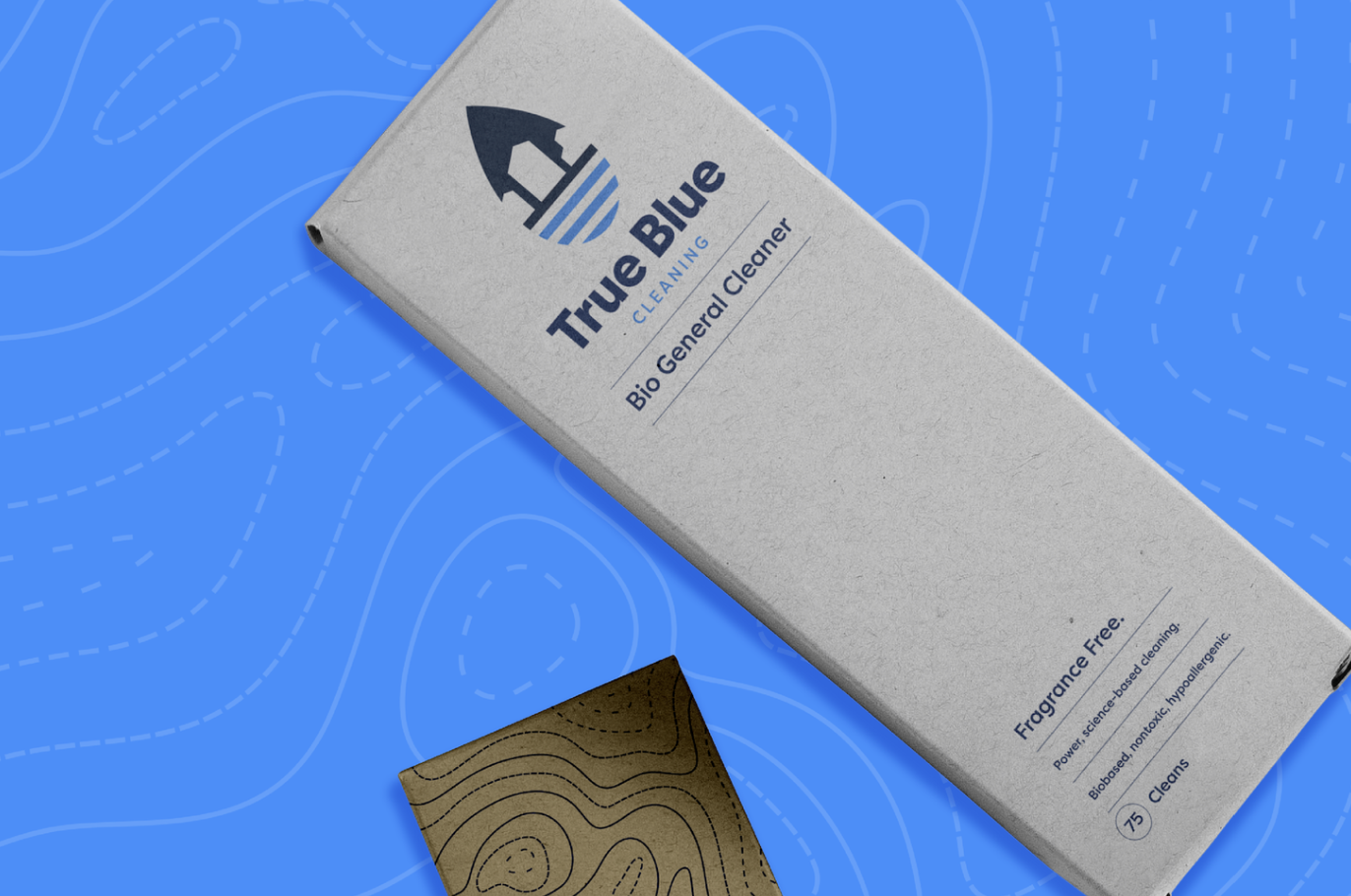
We didn’t stop at the name. Our designers built a logo and visual identity to amplify the name’s meaning. The True Blue logo features a water droplet icon, symbolizing cleanliness, with subtle imagery inside it – shapes of buildings and a river representing the local region the company serves. All rendered in crisp blues and whites, the brand presentation looks as trustworthy and clean as the name sounds. The result? A cohesive brand that feels honest, loyal, and rooted in the community at first glance. True Blue is no longer just a catchy phrase; it’s a whole brand story packed into two words.
Quick Naming Do’s and Don’ts
Naming your business can feel like a daunting task, but a few guiding principles can keep you on the right track. Here are some quick do’s and don’ts when brainstorming a brand name:
Do: Keep it simple and easy to spell. You want people to remember you and find you. If they can’t spell your name or pronounce it, you may lose them. Test it out: can someone hear your name once and type it into Google correctly? If not, simplify it.
Do: Reflect your brand’s essence. Great names often hint at something about your business – whether it’s the industry, the experience, or a core value. Aim for a name that supports your story, so it instantly aligns with what you’re offering.
Do: Check availability early. A name isn’t great if you ultimately can’t use it. Do your homework: search trademarks, web domains, and social media handles. The sooner you know what’s off the table, the more time you have to refine your ideas into something uniquely yours.
Don’t: Try too hard to be clever. Puns and quirky spellings can be fun, but if they make people pause and puzzle out the meaning, you’ve introduced friction. Clever is fine as long as it’s clear.
Don’t: Be too generic or descriptive. While “American Banking Solutions Inc.” might describe exactly what your company does, it’s not doing you any favors in the memorability department. Generic names blend in with the crowd. You can be descriptive, but find a unique angle or a metaphor that sets you apart. Otherwise, you risk sounding like a dozen others.
Don’t: Ignore the connotations. Every word (or even sound) in your name carries some connotation. Make sure none of those associations work against you. Always double-check meanings in other languages if you plan to go global, and get outside opinions. A name that unintentionally hints at something negative or unrelated can become an embarrassing story (and a costly rebrand).
Final Thoughts
A great name plants the seed of your brand’s promise in a customer’s mind. It’s the difference between being instantly intriguing or instantly forgettable. By understanding the psychology behind how names stick, you can tilt the odds in your favor. Remember, the goal is a name that feels effortless to recall, yet rich with meaning.
At Joba Studio, we love guiding businesses through this naming journey. Whether you’re starting from scratch or rebranding, our team knows how to tap into what makes your brand special and craft a name (and a full brand identity) that captures it. We’ve seen firsthand how the right name – backed by the right strategy – can elevate a brand from meh to unforgettable. Your name is your first handshake with the world. Let’s make it count.