
When Brand Mascots Take on a Life of Their Own: The Pepsi vs. Coca-Cola Moment
In the ever-evolving world of advertising, few stages are as powerful as the Super Bowl. It’s where brands don’t just advertise, they perform. This year, one moment stood out in a way that extended far beyond paid media placements.
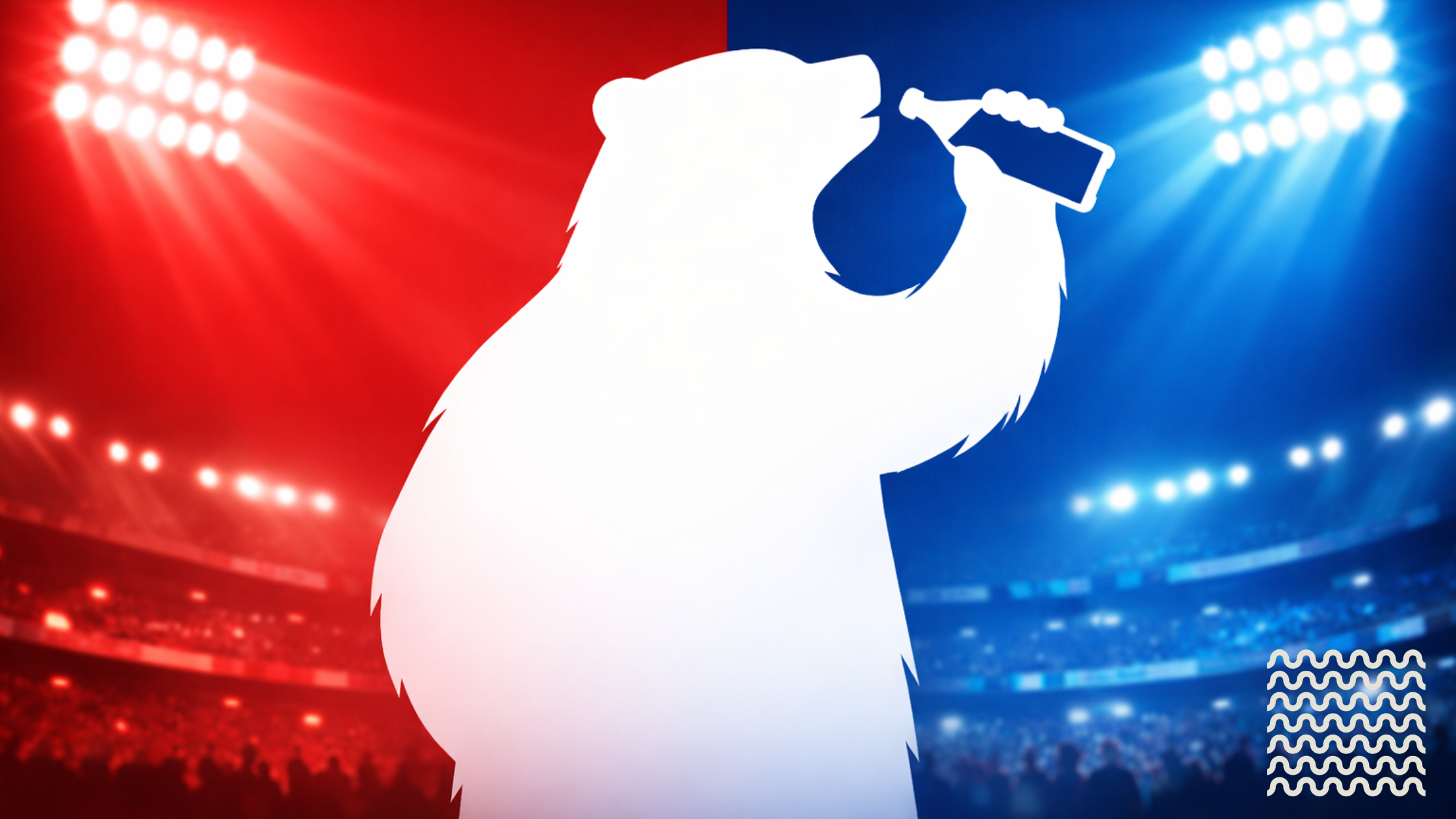
During its Super Bowl commercial, Pepsi featured Coca-Cola’s iconic polar bear in a blind taste test to promote Pepsi Zero. The move was bold, strategic, and unmistakably provocative. By borrowing a beloved symbol from its biggest competitor, Pepsi tapped into decades of brand equity in a single scene.
But what happened next is what truly makes this story interesting.
When the Audience Becomes the Agency
Shortly after the ad aired, a fan-made Coca-Cola “response” video went viral. In the clip, the polar bear wakes up from a nightmare and reaches for a Coke Implying that the Pepsi moment wasn’t real.
Here’s the twist:
The ad wasn’t official.
Yet it spread rapidly online, gaining traction across social platforms and becoming part of the larger brand conversation. It blurred the line between consumer content and corporate messaging and it proved something powerful:
When a brand asset becomes iconic enough, the audience will build the narrative for you.
The Power of Iconic Brand Assets
The Coca-Cola polar bear isn’t just a character. It’s a long-standing symbol tied to nostalgia, warmth, and brand identity. Introduced decades ago, it has become inseparable from Coca-Cola’s visual language.
That’s the power of consistent branding.
When assets like mascots, colors, taglines, or sounds are deeply embedded in culture, they evolve beyond marketing tools. They become shared cultural references.
In this case:
Pepsi leveraged the polar bear to create buzz.
Fans reclaimed it in defense of Coca-Cola.
The rivalry continued organically without additional ad spend.
That’s brand equity in motion.
Beyond Paid Campaigns: The Era of Participatory Branding
This moment highlights a shift in modern marketing:
Advertising doesn’t end when the commercial stops airing.
Today, audiences:
Remix campaigns
Create parody content
Build alternate narratives
Amplify or challenge brand messaging
And when a mascot is strong enough, it becomes fuel for that ecosystem.
The fan-made Coca-Cola response didn’t require corporate approval to be effective. Its virality came from familiarity. Viewers instantly recognized the polar bear and understood the rivalry — no explanation needed.
That kind of recognition is earned through years of consistent brand building.
What Brands Can Learn From This
Iconic assets are long-term investments.
You don’t build cultural symbols overnight.Consistency compounds.
The stronger your brand identity, the easier it is for audiences to engage with it.Community extends campaigns.
When people care about your brand, they don’t just consume content — they create it.Rivalries drive engagement.
Strategic tension between brands can spark conversation that travels far beyond traditional media buys.
Final Thought
This wasn’t just a Super Bowl ad moment. It was a reminder that branding, when done well, becomes bigger than the campaign itself.
When your brand assets are iconic enough, your audience becomes your distribution channel.
And in today’s digital landscape, that might be the most powerful media strategy of all.