
Creative Malpractice and How to Avoid It
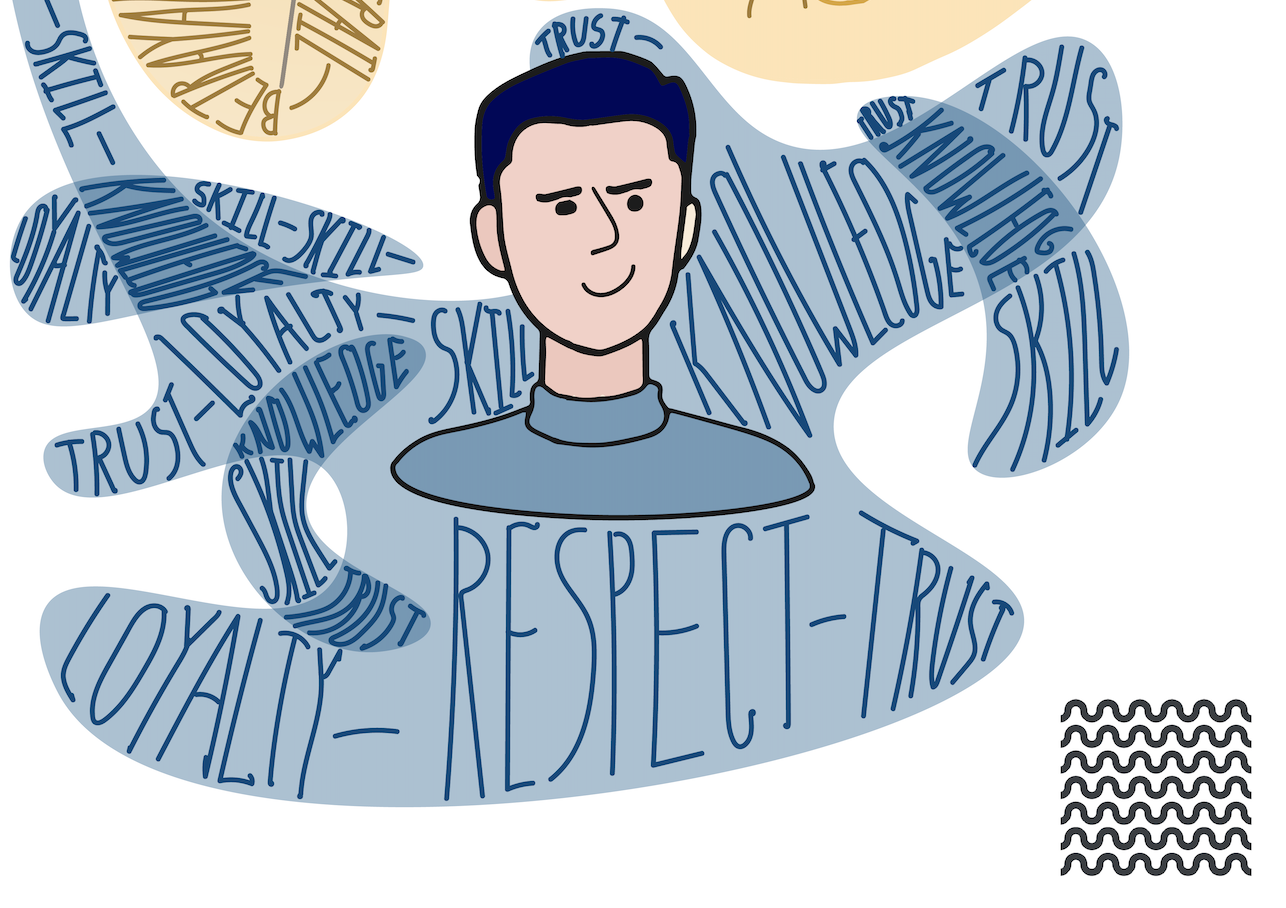
Though the term “malpractice” is more readily used in medical and legal circles, it can just as easily be applied to marketing, design, and other creative professions. The constant expansion of professional and cutting-edge fields like those of web development and design have resulted in loose to non-existent standards of professionalism. Malpractice is devastating to your clients and your business. It will destroy the very foundation on which every business should be built: trust, loyalty, and respect.
Professional/Creative Malpractice
Professional malpractice is the failure of an expert in any field of business to follow generally accepted professional standards. Anytime a professional or accredited expert is involved, there is the possibility for professional malpractice. In situations involving professionals in a creative field, like that of design, we will refer to it as creative malpractice.
The majority of malpractice in any field occurs not from maliciousness or any intent to deceive, but from a cognitive bias known as the Dunning-Kruger effect. This is the idea that people make erroneous decisions due to their incompetence, but that their own incompetence further disallows them from ever realizing their error, even after the fact. Although there is no official standard of conduct in fields like that of creative and marketing industries, companies still need to hold themselves and others to a similar standard of professional conduct.
Types of Malpractice
It’s important to understand the different forms of malpractice in order to recognize them in day-to-day business. These are the most common forms of malpractice that you may encounter in business dealings:
Negligence - falling short of what a reasonable person does.
Professional Negligence - same as above, but specifically regarding those who have represented themselves with more than an average set of skills and abilities.
Due Diligence - investigation of a person or business before signing a contract or entering a relationship with them.
Loss of Chance - negligence of professionalism that deprives the client of an opportunity to obtain benefit or avoid loss.
Understanding these forms of malpractice will help you and your company/business avoid creative malpractice.
What Creative Malpractice Looks Like
How does professional malpractice in a creative field like that of design or marketing actually play out? Here are few common examples to help you understand:
Neglecting critical and clear conversations
Certain conversations should occur at the beginning of a business relationship between a marketing company and a new client. It is at this point that a clear understanding is most needed between the two parties. Brene Brown explained it this way: “most of us avoid clarity because we tell ourselves that we’re being kind, when what we’re actually doing is being unkind and unfair”. If a client needed rebranding for their business, creative or marketing negligence would be selling this client a logo, pieces of copy, a slogan, etc., without a period of discovery, in which we ask questions and gain insight that will help our clients achieve their goals.
Omitting market research
An essential part of a brand strategy is identifying the target customer. No matter how brilliant the copy or interesting the logo, without understanding the client’s market or the customers they hope to attract, all the marketing in the world will fall flat and the client will be cheated.
Failing to research copyrights
Due diligence in the area of possible litigation is a professional obligation of every marketing/creative company. Though a client has the right to waive proper research into this area for their designs, slogans, domain names, and graphical marks, every creative company must make an effort to protect their client from possible lawsuits over the material they produce for them. This includes a discussion about the client consulting their own attorney.
All the above examples are unforgivable for a mature, professional creative/marketing organization. This type of negligence creates a bad name for designers, marketers, and brand firms everywhere. Well-intentioned clients will bring away misinformed opinions that branding is a waste of money or that it doesn’t work.
How to Avoid Creative Malpractice
A solid business strategy in any field requires a holistic, intentional approach. Nothing can be left to chance. A diagnosis of your company’s chance of malpractice should be initiated by some form of a discovery process. Take the time to talk with board members, staff, and anyone involved in your projects, including past clients. Create your own personal analysis test like the SWOT test for your business to measure the chances of accidental malpractice:
Strengths
Weaknesses
Opportunities
Threats
Judge all of the above for your brand as a whole. Ask the hard questions. Review your client process, the methods you use to research target audiences, and the steps you follow when you investigate copyrights and other legal questions. Always, be honest with clients about what you can and cannot deliver.
Trust, Loyalty, and Respect: so much more than legal safety
At Joba, we as a creative company understand our responsibility to our clients. Without a strong foundation of trust between our company and our clients, they will lack the freedom to rely on us to thoroughly understand and execute our job. They will wonder if we are asking all the right questions, following the proper avenues; in short, doing the job they hired us to do. If there is doubt on their side, they will not stay in the partnership or return when they have a new idea or need. Another company will get that client, or perhaps, in frustration, they will strike out on their own, stealing precious resources and time from their dream.
Trust lays the foundation for loyalty, both for the client and the creative company. A happy client who knows their interests are safe with their marketing/design company will spread the word to their friends and acquaintances. There will be respect in the business world for a company whose loyal clients trust them...and a mutual understanding between them that both are doing their best to further the interests of the other.
Every business, in any field, should strive for this relationship with their clients and professional contacts. Malpractice is a symptom of a serious flaw in the foundation of creative and marketing businesses and one that requires proper vigilance from every company in our field.
